
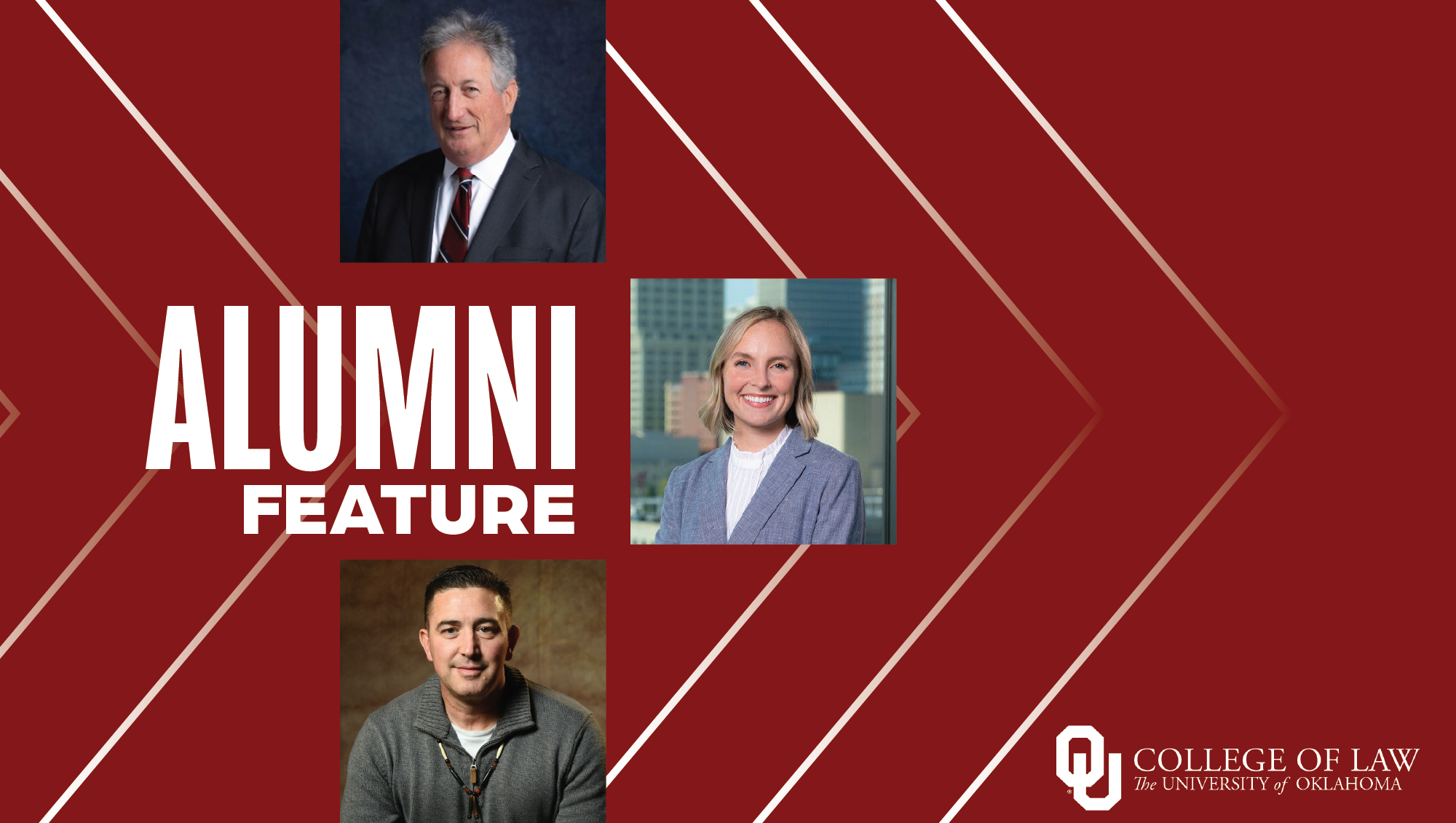
David Donchin (’84)
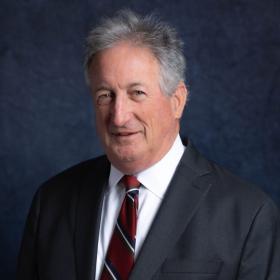
David B. Donchin is a distinguished Oklahoma trial lawyer whose practice focuses on Insurance Law, Complex Litigation, Personal Injury, Products Liability, Employment Law, Environmental Law and Medical Malpractice. A 1984 graduate of the University of Oklahoma College of Law, David has been a dedicated advocate for the legal profession and for future generations of attorneys. He has served as an Adjunct Professor for Trial Practice at OU Law and as a faculty member for the Southern Region of the National Institute of Trial Advocacy, sharing his deep experience in trial strategy, pretrial litigation, and courtroom techniques.
In addition to his accomplished legal career, David proudly serves on the OU Law Board of Visitors, providing leadership and support to strengthen the College of Law and its mission.
David served as Managing Director of Durbin Larimore Bialick from 2014 to 2017 and remains a frequent lecturer on insurance and trial practice topics. In 2009, he was inducted as a Fellow of the American College of Trial Lawyers, an honor reserved for the top 1% of trial attorneys statewide. He has been recognized annually in Super Lawyers since 2006 and repeatedly ranked among Oklahoma’s top attorneys, including “Top 10” and “Top 50” distinctions. David is also listed in The Best Lawyers in America and has earned multiple “Lawyer of the Year” honors in insurance and personal injury litigation.
Why do you stay involved with OU Law, and what inspires you to give back, whether through your time, expertise, or philanthropy?
The rule of law and place of law in our society have been critical to success and advancements of our state and country, and is dependent on having great law schools and producing great lawyers and judges to ensure the rule of law remains embedded in our country, that people have access to the courts and ability to be heard. I firmly believe that the existence of our judicial system and the ability of people to seek relief or change when they are wronged, and to be defended when unjustly accused, and our ability as a society to follow the rule of law as laid out by the courts, has helped us advance and remain such a strong nation. I’ve also been lucky enough to have a great career that has given me more opportunities than I ever thought I would have; and I was lucky enough in law school to have great teachers, mentors and classmates that helped get me to where I am today. Maybe most importantly, our parents instilled in us a strong sense of always giving back when it was possible, that we all stand on the shoulders of those who came before us and made what we had possible, and that each generation has an obligation to help the next one. It’s my generation’s turn.
I’m inspired by law students making their way up, and it’s an honor to have the opportunity to be an incredibly small part of an institution that helps develop the next generations of lawyers who will ensure that our system of justice will continue to thrive. It’s just my way of trying to give back to a profession that has given me so much.
What role did the University of Oklahoma College of Law play in shaping your professional path?
Obviously, a great deal. I had great professors and mentors who invested a great deal of time in me to both get me through law school and support me in my career, especially in the early years when it is so critical to have those types of people help you develop. OU Law gave me a great education that gave me a great foundation as I graduated and, as one professor liked to quote The Paper Chase, “thinking like a lawyer.” By getting to meet so many great people along the way through law school, it also instilled in me the necessity of ethics and professionalism, the role we (as lawyers) play in society, the importance of what we do and the honor of being asked to represent someone. It also showed me that there are always so many smarter people than me that I would have to work harder!
What’s one piece of advice you wish someone had given you as you were graduating from law school?
I wish someone had told me: Remember, everyone has a story. In life, don’t assume anything about anyone’s background or beliefs; they will often be shaped by how they were raised or experienced. Professionally, it is your job to make sure the jury hears and knows your client’s story. Sometimes, you are their only chance or voice they have.
What’s a favorite memory or moment from your time at the College of Law that still sticks with you?
Our never-ending, on-going battle with the College of Engineering during Engineer’s Week! They snuck in to turn the water in our water fountain green and released some green mice in our building; we ended up staying up all night to “protect” our building. I’m not sure if the Statute of Limitations has expired, but we did pay a visit to their building in 1983 and 1984 to even the score. The placement of an advertisement publicizing the Engineering Queen with maybe someone who was not really in the Engineering school certainly drew a reaction, but we needed to do those things to fight back.
From the academic side, our practice court competition was extremely tough and competitive, quite challenging and a lot of fun. We had to try two cases during the course of the competition and they were supposed to last 2-3 hours in length. The first one lasted more than 10 hours, after which we reached an agreement with the other side that the next one would be much shorter—we could not take it anymore. The second trial lasted less than two hours—with three witnesses, openings and closings combined. Both records for that semester for longest and shortest trials. But it was a great experience. Our Gridiron performances and the honor of serving as third-year class president (meaning in charge of selling sweatshirts to pay for our class graduation party) have always stayed with me.
You’ve seen the legal profession evolve over time. What changes do you think have been most significant, and what skills do you believe are most vital for today’s graduates?
Two things stand out at this point:
The number of trials from the civil side has decreased dramatically, but people will always need strong advocates who know how to try a case. Sometimes, there is no substitute for experience. The ability to not just try a case, but try it well, is incredibly important and can make the difference in the results for a client. People who learn to try cases really well will have a big advantage, as well as their clients.
Technology. I graduated in 1984; it was big deal to have an IBM Selectric and desktop computers were just starting to be introduced in mass. We still went to the law libraries for research, and dedicated a lot of space and money to maintain just the Pacific Reporters in our library. Research was done through the books. But technology has changed and the best legal researchers today know how to research on-line. Technology continues to change at a faster pace than most can keep up with: five years ago, no one was talking about AI, and now we all need to learn how to use it in different ways to remain competitive and productive. There is no question that technology has made us faster and more efficient, effectively saving us tons of time and saving our clients an incredible amount of money through those efficiencies. Today’s graduates must understand technology and how to use it; there are no other options.
You’ve built a reputation as one of Oklahoma’s top trial lawyers across high-stakes areas like insurance, products liability, and medical malpractice. What’s a case or courtroom moment that fundamentally shaped you as an advocate—and what did it teach you?
I’ve had too many to remember.
I had the honor of representing a pharmacist who was accused of mis-filling a prescription that resulted in the death of a four-month-old child. The weight of the accusations was a tremendous burden to him. He was a great pharmacist, but not a great witness because he was so nervous and upset. We had a great expert witness (national authority on the subject located in Oklahoma!) who could explain how the drug worked and why the drug—filled at a higher dose than the doctor says he ordered—could not have killed the child. He worked hard to get better as a witness, i.e., to explain what he did and why he did not think it could have caused what Plaintiff claimed. We tried the case and won. I remember him walking out of the courthouse with his wife, with the weight of the world lifted off his shoulders, and his name and professional reputation cleared.
On the other hand, I had the honor of representing the family of a teacher with two children who went in for a hysterectomy from the small-town doctor who everyone loved and left with brain damage and confined to a nursing home for the rest of her life. First trial ended with a mistrial; the second was tried in a different county due to the publicity that the first trial engendered. There was every reason to think we would or should lose. But the family made great witnesses; again, we had a great (out-of-state) expert who could establish why it happened and why it was malpractice.
Both cases helped shape me into continuing to believe in working hard and never giving up, no matter how bad things appeared—even during trial. The next day is always a new day. I also saw how you need to get to know the jury and how they think during voir dire. Juries will surprise you on unrelated issues and most often do the right thing, but you have to get to know them as much as possible. Most important, I was left with a lasting understanding of how our clients have to depend on us to be their voice in the courtroom, the meaning of advocacy and how important it is to our clients who, at the end of the day, have to rely on us to present their case. That’s something we all must remember.
Wes Parrell (MLS ’24)
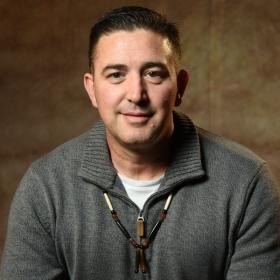
Wes Parrell is the Principal Director of External Affairs (SES) for the U.S. Department of the Interior, Office of the Assistant Secretary for Indian Affairs, where he helps lead external engagement efforts involving public, congressional, and legislative affairs. A military officer and an enrolled member of the Cherokee Nation, Wes is deeply committed to advancing Native American rights and tribal sovereignty through public service and strategic leadership.
Wes earned his Master of Legal Studies in Indigenous Peoples Law from the University of Oklahoma, strengthening his ability to navigate complex legal and policy issues impacting Tribal nations. His background spans high-level government communications, public affairs, and community engagement, including leadership roles with the Air National Guard, work in state government, and experience supporting large organizations through strategic communication and public-facing initiatives.
What inspired you to pursue OU’s Master of Legal Studies in Indigenous Peoples Law, and why was OU the right place for that next step in your career?
I was inspired to pursue the UO’s Master of Legal Studies in Indigenous Peoples Law by a deeply personal and professional calling to better serve Tribal nations and advance Tribal sovereignty. As a citizen of the Cherokee Nation and a career public servant, I have spent much of my life working at the intersection of emergency response, military service, public affairs, and government leadership. Throughout that journey, I repeatedly saw how federal policy, legal frameworks, and intergovernmental relationships directly shape outcomes for Indigenous communities, especially during times of crisis.
My work with the Air National Guard and later in senior federal leadership roles brought me into close collaboration with Tribal governments across the Southwest and later the United States. Supporting Tribal nations during wildfires, public health emergencies, and other natural disasters strengthened my connection to my heritage and underscored the importance of understanding Indian law, federal trust responsibilities, and Tribal self-determination. Those experiences, combined with my family’s history and my own involvement in the Cherokee at-large community, made it clear that gaining a formal legal foundation in Indigenous Peoples Law was the next critical step in my career.
For me, OU was the right place for that step. The university’s longstanding leadership in Native studies and Indian law, its close ties to Tribal nations, and the depth and credibility of the Indigenous Peoples Law program set it apart from other programs I researched. The online format made it possible for me to pursue the degree while continuing to serve in demanding military and federal roles, sometimes completing coursework in austere environments, without compromising academic rigor. More importantly, the program provided practical, immediately applicable knowledge that I was able to integrate into my day-to-day work advising senior leadership on Tribal policy, engagement, and sovereignty issues.
How has your OU degree strengthened the way you approach your work at the Department of the Interior, especially when it comes to tribal sovereignty, government relationships, and public leadership?
My OU degree significantly strengthened both my competence and confidence as a public leader working on Tribal issues. The Master of Legal Studies in Indigenous Peoples Law gave me a structured, doctrinal understanding of Tribal sovereignty, federal Indian law, and the trust responsibility, areas that I had previously engaged with through experience, but not with the same legal precision.
Professionally, the program sharpened the way I assess policy, communications, and engagement strategies involving Tribal nations. I now approach intergovernmental relationships with a clearer understanding of jurisdictional boundaries, consultation obligations, and the historical and legal context that underpins Tribal–federal relations. That foundation allows me to anticipate issues earlier, ask better questions, and provide more informed guidance to senior leadership, particularly when navigating complex or sensitive matters involving sovereignty or self-determination.
The degree also enhanced my confidence in public leadership settings. Whether briefing elected officials, engaging with Tribal leaders, or shaping external communications, I am able to ground decisions and recommendations in established legal principles rather than instinct alone. This has elevated my credibility and effectiveness, ensuring that engagement with Tribal nations is not only respectful but also legally sound and strategically aligned.
Was there a course, faculty member, or moment during your time at OU that genuinely shifted how you think about federal Indian law or Tribal policy?
One of the most impactful shifts in my thinking came as I began to fully grasp how much authority the federal government has delegated to the states in areas that directly affect Tribal nations. Through coursework in federal Indian law and Tribal–state relations, I was genuinely surprised by the extent to which this delegation has, in practice, placed Tribes in a sub-sovereign position to states in certain policy areas.
Examining issues such as Tribal gaming, environmental regulation, and aspects of civil and criminal jurisdiction fundamentally reframed how I understand sovereignty in action, not just as a legal concept, but as something that is continuously negotiated and, at times, constrained. Seeing how these frameworks operate revealed how state involvement can complicate self-determination, create inconsistent outcomes across jurisdictions, and introduce power dynamics that are not always aligned with the federal trust responsibility.
That realization was a defining moment for me. It sharpened my awareness of how policy decisions made far from Tribal communities can materially affect their ability to govern, regulate, and protect their people and lands. It also reinforced the importance of approaching Tribal policy with a clear-eyed understanding of these layered authorities and their real-world consequences.
What skills from OU’s program have been most valuable in helping you lead effectively in high-stakes environments?
One of the most valuable skills I gained from OU’s program is the ability to research deeply and identify the underlying causes of complex issues rather than simply reacting to surface-level symptoms. The program emphasized disciplined legal research, case analysis, and historical context, which strengthened my ability to understand why a situation exists before determining how to respond.
In high-stakes environments, where decisions can affect Tribal sovereignty, intergovernmental relationships, or public trust, this skill is critical. OU trained me to break problems down methodically: examining statutory authority, court precedent, regulatory intent, and the historical circumstances that shaped current policy. That approach allows me to anticipate second- and third-order effects, particularly in situations involving overlapping federal, state, and Tribal authorities.
The program also reinforced the importance of evidence-based leadership. Whether advising senior officials, shaping public messaging, or navigating sensitive engagements with Tribal nations, I rely on research-driven analysis rather than assumptions or expediency. This has improved both the quality and credibility of my recommendations, especially in moments where time is limited and the consequences of missteps are significant.
Looking back, what’s one highlight from your OU experience that you’re most proud of, and what would you tell other alumni (especially those early in their careers) about the long-term value of staying connected to OU Law?
Looking back, one of the highlights I am most proud of is completing the Indigenous Peoples Law program while serving in demanding military and senior federal leadership roles. Balancing coursework with high-stakes professional responsibilities required discipline and focus, but it reinforced the practical value of the education I was receiving. I was able to apply what I was learning in real time to inform policy discussions, leadership decisions, and engagement with Tribal nations. That integration of theory and practice is something I will always associate with my OU experience.
To other alumni, especially those early in their careers, I would emphasize the long-term value of staying connected to OU Law. The legal profession, and particularly the field of federal Indian law, is built on relationships, credibility, and shared understanding. OU Law offered me a powerful network of faculty, alumni, and practitioners who are deeply engaged in shaping policy and law across the country. Remaining connected provides continued access to insight, mentorship, and collaboration long after graduation.
Bailey Barnes (’22)

Bailey Barnes is a transactional associate at GableGotwals, where she represents clients in a wide range of corporate transactions with a focus on mergers and acquisitions and commercial finance. Bailey supports all stages of a transaction, from early negotiations, due diligence, and drafting definitive agreements to navigating closing requirements, securing regulatory approvals, and counseling post-closing disputes.
Bailey is an engaged alumna of the University of Oklahoma College of Law and proudly serves on the OU Law Young Alumni Board, helping strengthen connections between recent graduates and the law school community.
While at OU Law, Bailey served as Notes and Comments Editor for the Oklahoma Law Review. She earned her J.D. with honors and received numerous distinctions, including Order of the Coif, Order of the Solicitors, Dean’s Honor Roll, and multiple academic awards. Bailey is active in the Oklahoma Bar Association, Tulsa County Bar Association, and Leadership Tulsa (Class 70).
What’s a favorite memory or moment from your time at the College of Law that still sticks with you?
I often think back to long hours spent in the law review offices editing and studying with wonderful classmates including Tina Cannon and Hilary Price. Because I was in law school during the peak of the pandemic, this quality time with my classmates was all the more special.
Was there a professor, mentor, or OU Law experience that helped shape how you approach problem-solving as a transactional attorney today?
While I had no prior interest in practicing corporate law, Professor Cleveland’s effective, engaging teaching methods directly led to my decision to choose to practice in that arena. Specifically, his Mergers and Acquisitions course gave me the courage to give it a try upon graduation. Due to his classes, over the course of my law school career, I went from insisting I wanted to be in the courtroom every day to insisting that I wanted to negotiate and draft business deals. Now, I would only insist on taking another class from Professor Cleveland, if I could!
What has surprised you most about practicing law since graduating from OU Law?
Unlike law school, learning legal concepts in practice isn’t linear. A good law professor puts forth great effort to tailor and refine the course to convey legal concepts to students in a (relatively) straightforward manner. In practice, to my surprise, it is generally left to me to have an eye for legal issues that may be relevant to my client’s situation, and to learn on my feet and leverage various resources if it is an area I’m unfamiliar with. While I certainly prefer the former method of learning, practice rewards curiosity in a way that suits my strengths.
You’ve gotten involved early as a young alum, including serving on the OU Law Young Alumni Board. What motivated you to say “yes” to staying connected and what have you gained from it so far?
My OU Law experience was exceedingly positive. I loved my classmates, professors, and classroom experience. Serving on the OU Law Alumni Board, as well as participating in other avenues to stay connected with the law school (such as on-campus interviews), is an easy “give” for me, because it is an opportunity to invest in an organization that has helped me become who I am today.
For recent OU Law graduates who want to get involved but aren’t sure where to start, what’s one realistic first step you’d recommend, either with OU Law, the bar, or in the community?
I’d first recommend connecting with current students. Not only are they the future of our legal community, they’re also those who are hungriest to learn about different career paths and soak up any and all advice.